 跳到内容
跳到内容 
In cosmetic packaging manufacturing, injection molding is one of the most widely used production technologies for achieving precision, scalability, and design consistency.
It allows brands to transform raw plastic materials into high-performance packaging components used in skincare, makeup, and personal care products.
For global OEM/ODM partners such as Omi Natural, injection molding forms the foundation of large-scale cosmetic packaging production.
📌 What is injection molding in cosmetic packaging?
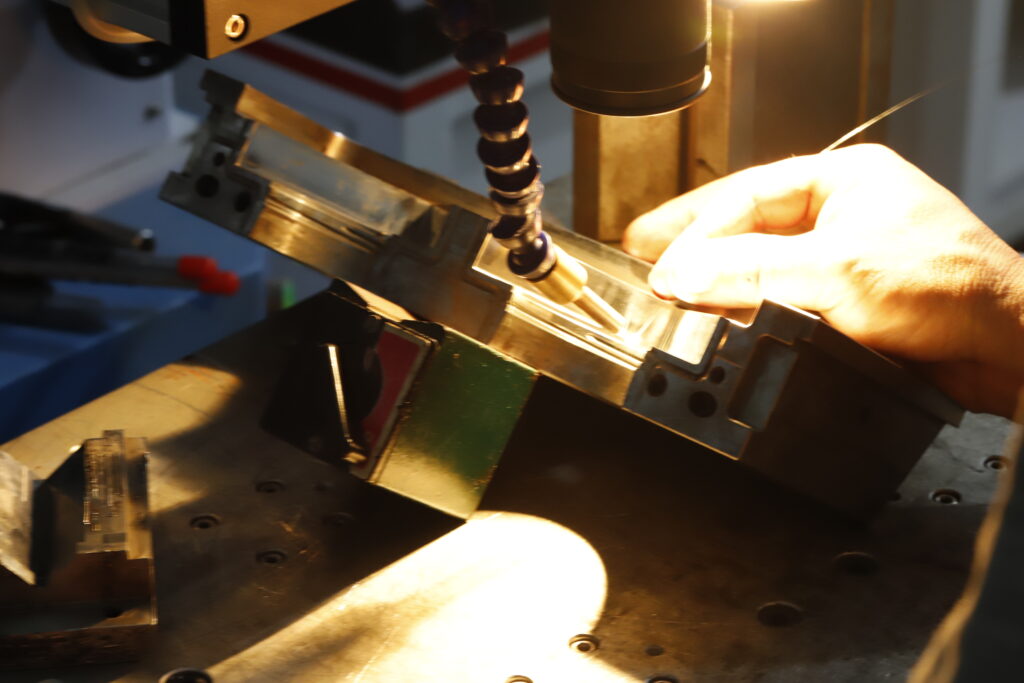
Injection molding is a manufacturing process where plastic resin is heated until molten, then injected into a precision steel mold under high pressure. After cooling, the material solidifies into a finished packaging component.
It is widely used in cosmetic packaging because it enables:
- High dimensional accuracy
- Mass production efficiency
- Consistent surface quality
- Material flexibility
👉 This makes it suitable for products such as lipstick cases, pump components, jars, and caps.
🚀 How injection molding works (Featured Snippet section)
Injection molding follows a controlled four-step cycle:
1. Clamping
The mold is tightly closed using hydraulic pressure to ensure stability during injection.
2. Injection
Molten plastic is injected into the mold cavity at high pressure.
3. Cooling
The material solidifies inside the mold, forming the final shape with precise detail.
4. Ejection
The finished component is released, and the cycle repeats.
🔗 External reference (authority boost)
🧪 Materials used in cosmetic injection molding

Injection molding supports a wide range of materials, each serving different packaging requirements.
PP (Polypropylene)
Commonly used for caps, bottles, and functional components due to chemical resistance and durability.
PETG / AS
Used for transparent packaging requiring glass-like aesthetics, such as jars and premium cosmetic containers.
PCR plastics
Post-consumer recycled materials increasingly used under sustainability regulations in Europe and North America.
📊 Why injection molding is critical for scalable production
Injection molding is essential for brands that require both design precision and mass production capability.
High precision manufacturing
Even a 0.1mm deviation can affect product performance such as cap fit or pump sealing. Injection molding ensures consistency across large production runs.
Cost efficiency at scale
While mold development requires upfront investment, unit cost decreases significantly as production volume increases.
⚙️ Advanced injection molding techniques
1. Multi-shot (2K) molding
Allows two materials or colors to be combined in a single process, often used for ergonomic grips or premium textures.
2. In-Mold Labeling (IML)
Labels are embedded during molding, creating durable branding that does not peel or fade.
🧠 Quality control in injection molding production
At industrial scale, quality control is essential to ensure consistency and reduce defects such as:
- Flash (excess material)
- Sink marks
- Flow lines
Omi Natural applies strict process monitoring during production, including temperature and pressure control systems, to ensure stable output quality.
Key benefits of injection molding in cosmetic packaging:
- High precision manufacturing for consistent packaging dimensions
- Scalable production for high-volume cosmetic brands
- Supports multiple materials including PP, PETG, and PCR plastics
- Enables advanced techniques such as 2K molding and IML
❓ FAQ
What is injection molding used for in cosmetic packaging?
Injection molding is used to produce cosmetic packaging components such as bottles, caps, jars, and pump systems with high precision and scalability.
Is injection molding suitable for sustainable packaging?
Yes. Modern injection molding supports PCR materials and mono-material designs that align with sustainability regulations.
Why is injection molding important for cosmetic brands?
It ensures consistent product quality, reduces manufacturing cost at scale, and enables complex packaging designs.
What materials are used in cosmetic injection molding?
Common materials include PP, PETG, AS, and PCR plastics depending on product requirements and sustainability goals.
📦 Final CTA
At Omi Natural, we provide end-to-end cosmetic packaging manufacturing solutions, from mold development to large-scale production.