 跳到内容
跳到内容 
The global beauty industry has always felt the ripple effects of global politics, but 2026 is pushing things to a breaking point. With regional tensions in the Middle East driving up crude oil prices, the impact is hitting cosmetic brands right where it hurts: the rapidly rising cost of plastic cosmetic packaging.
When Brent crude spikes, the cost of ethylene and propylene—the building blocks for standard packaging plastics like PP, PET, and PE—shoots up right alongside it. For brand owners in Europe and North America, this means profit margins are getting squeezed and supply chains are under threat. However, this volatility is also forcing the industry to finally rethink how it sources and designs its packaging.
The Barrel and the Bottle: Why Container Prices Are Surging
Most high-end cosmetic containers rely heavily on petroleum-based plastics. Polypropylene (PP) is the go-to for durable airless pump bottles, while PET is favored for lotion bottles because of its glass-like clarity. But as energy prices climb, packaging manufacturers are getting hit with a triple threat—and they are forced to pass those costs down the line:
- Raw Material Markups: Resin producers are charging more for base chemicals, directly raising the cost of the plastic pellets used to make bottles.
- Skyrocketing Freight: Higher fuel prices mean it costs significantly more to ship empty containers across the globe.
- Energy-Hungry Factories: Injection molding takes a massive amount of electricity, making factory operating costs go through the roof.
The days of purely “just-in-time” ordering are effectively over. Savvy brand managers are now scrambling to lock in long-term contracts to stabilize their pricing and avoid sudden market shocks.
Diversifying Resins: From “Eco-Friendly” to Economic Shield
One of the smartest ways to dodge the wild swings of virgin plastic prices is to stop relying on it completely. Post-Consumer Recycled (PCR) plastics and bio-based resins are no longer just good PR for sustainability reports—they are becoming essential financial buffers.
- The PCR Advantage: In the past, PCR was noticeably more expensive than new plastic. But with virgin resin prices climbing, that gap is closing fast. Big players like L’Oréal and Estée Lauder are already heavily invested in PCR. By mixing recycled materials into their packaging now, brands can rely less on the unpredictable primary oil market.
- Plant-Based Plastics: Resins made from renewable sources like sugarcane or corn starch offer another way to bypass petrochemical price spikes. While this supply chain is still growing, testing small batches of bio-plastics with reliable plastic cosmetic packaging suppliers can help brands prepare for a less oil-dependent future.


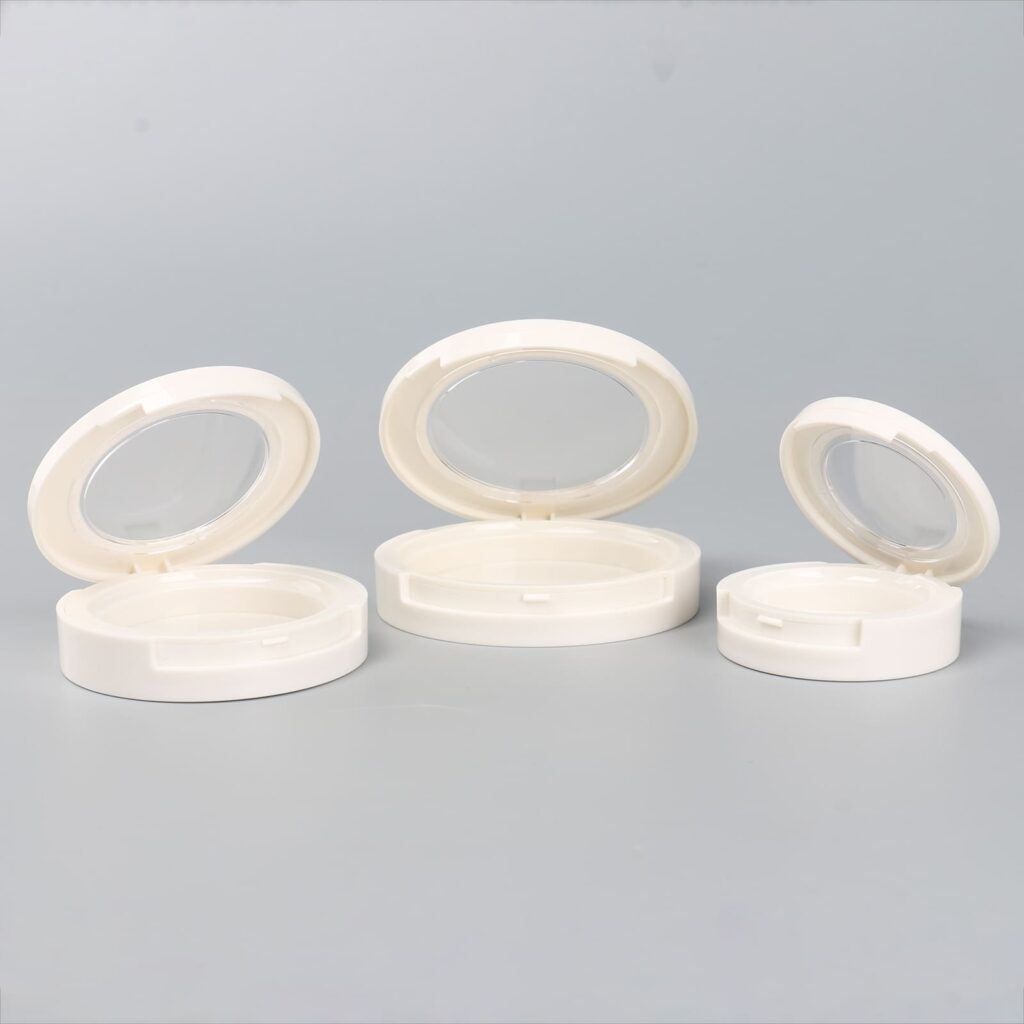
Smart Design: Cutting Weight Without Losing the Premium Feel
When materials cost more, using less of them is the obvious answer. “Lightweighting” is becoming a baseline survival strategy. This means redesigning bottles and jars to use 10% to 20% less plastic, without making them feel cheap or flimsy to luxury consumers.
- Smarter Molds: Better factory technology allows manufacturers to thin out the plastic in hidden, non-critical areas of a cream jar, saving material without changing the outside look and feel.
- Refillable Systems: Brands like Fenty Skin and Dior are proving that refillables work beautifully. Customers buy a heavy, premium outer case once, and subsequently replace only the thin, lightweight plastic pod inside. This drastically cuts down the plastic used per sale and protects the brand from future resin price hikes.
Rethinking the Supply Chain: Transparency and Agility
For global brands, having a backup plan is no longer optional. Multi-regional sourcing, often called the “China + 1” strategy, is crucial right now as global shipping routes face delays. But a tough supply chain is about more than just where your factories are located; it’s about having partners who keep you in the loop.
Forward-thinking packaging providers, like OMI, are stepping up to help B2B clients by offering:
- Honest Pricing: Keeping brands continuously updated on where resin markets are heading.
- Buffer Stocking: Holding extra inventory through scheduled order programs to prevent delays if shipping routes get backed up.
- Custom Tooling: Designing unique molds that are optimized to waste less material during production.
Conclusion: Turning a Crisis into an Advantage
The rising cost of plastic and today’s rocky geopolitical landscape are tough realities for the cosmetic industry. But the brands that will come out on top in 2026 are the ones adapting their strategies right now.
The goal is no longer just finding the absolute cheapest bottle on the market. It’s about securing plastic cosmetic packaging solutions that are financially predictable, sustainable, and designed to weather the storm. By embracing alternative materials, smarter lightweight designs, and transparent suppliers, cosmetic brands can protect their profit margins and keep delivering the high-quality products their customers expect.