 跳到内容
跳到内容 
How to Prevent Lip Gloss Tube Leakage: Wiper, Neck and Cap Design Explained

Lip gloss tube leakage is rarely caused by one obvious defect. It usually develops from the interaction between the formula, wiper, bottle neck, applicator rod, cap, thread system, filling process, and transport conditions.
Cosmetic Packaging Compatibility Testing: A Practical Guide Before Mass Production

Cosmetic packaging compatibility testing is not a final box to check after a package has been selected. It is a decision-making process connecting formulation, materials, structure, decoration, filling, logistics, and consumer use.
Lightweight Cosmetic Packaging: Why Less Is Becoming the New Luxury

Lightweight cosmetic packaging is reshaping how beauty brands define modern luxury and efficiency. Instead of relying on heavy materials to signal value, the industry is now moving toward packaging that balances refined aesthetics, material efficiency, and sustainability.
Chrome Cosmetic Packaging: Why Liquid Metal Is Shaping the Future of Premium Beauty Design

Chrome cosmetic packaging is emerging as one of the most influential design trends in the global beauty industry. Inspired by the growing popularity of the “liquid metal” aesthetic, brands are embracing reflective chrome finishes, fluid metallic surfaces, and sculptural forms to create packaging that feels both futuristic and emotionally engaging.
The Psychology of Shape in Custom Cosmetic Packaging

In the beauty industry, premium cosmetic packaging plays a critical role in shaping consumer perception before a product is even tested. Packaging shape, texture, weight, and visual structure immediately influence how a product is perceived. In many cases, consumers form emotional judgments within seconds.
Wearable Sun Care Is Reshaping SPF Packaging Trends

Wearable sun care packaging is becoming a major trend in the global beauty industry as consumers seek portable and convenient SPF products for everyday use. As lifestyles grow faster and more mobile, demand is rising for sun care products that are compact, portable, and easy to use throughout the day.
OEM vs ODM Cosmetic Packaging: What Global Brands Should Know Before Sourcing
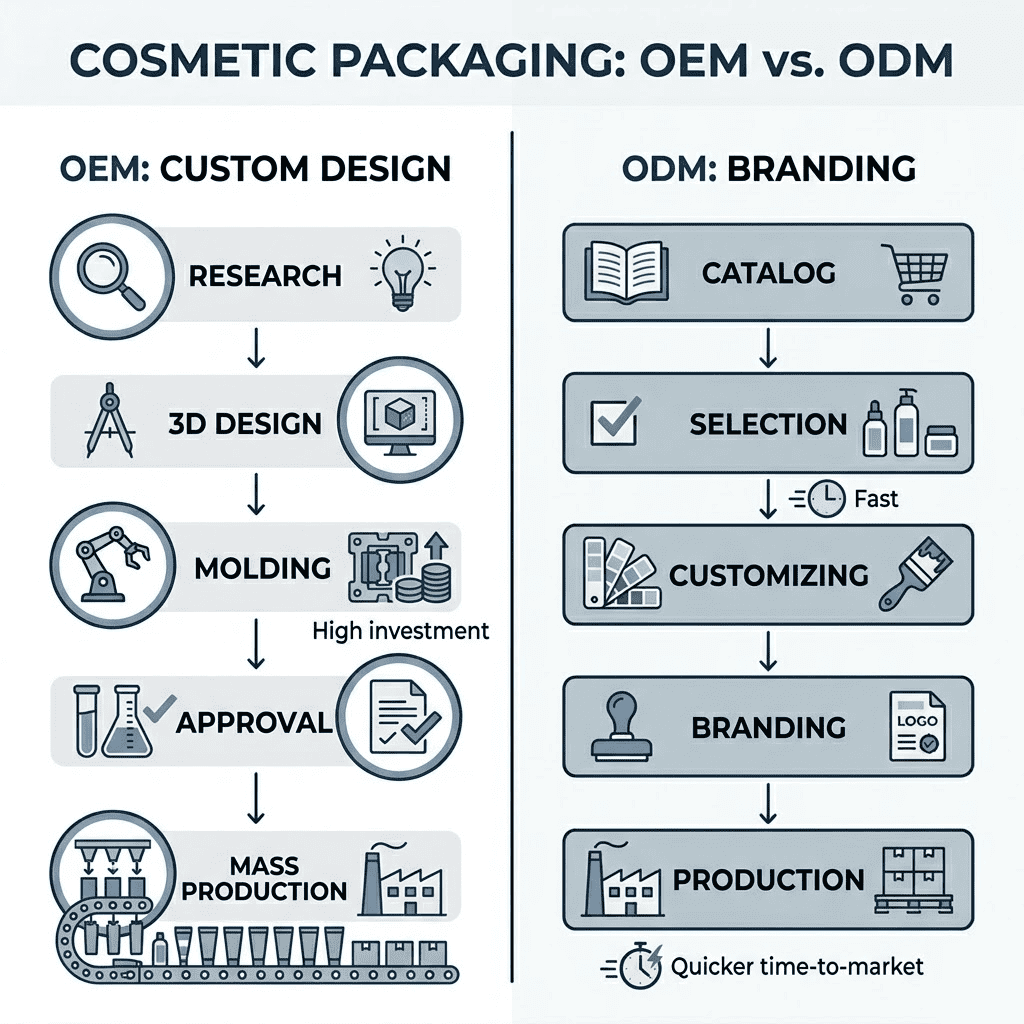
For cosmetic brands operating across Europe, North America, and Southeast Asia, choosing the right manufacturing model is a critical decision in product development. The two most common sourcing approaches—OEM (Original Equipment Manufacturing) and ODM (Original Design Manufacturing)—define how a product moves from concept to market.
🌐 Injection Molding in Cosmetic Packaging: How Beauty Containers Are Manufactured at Scale
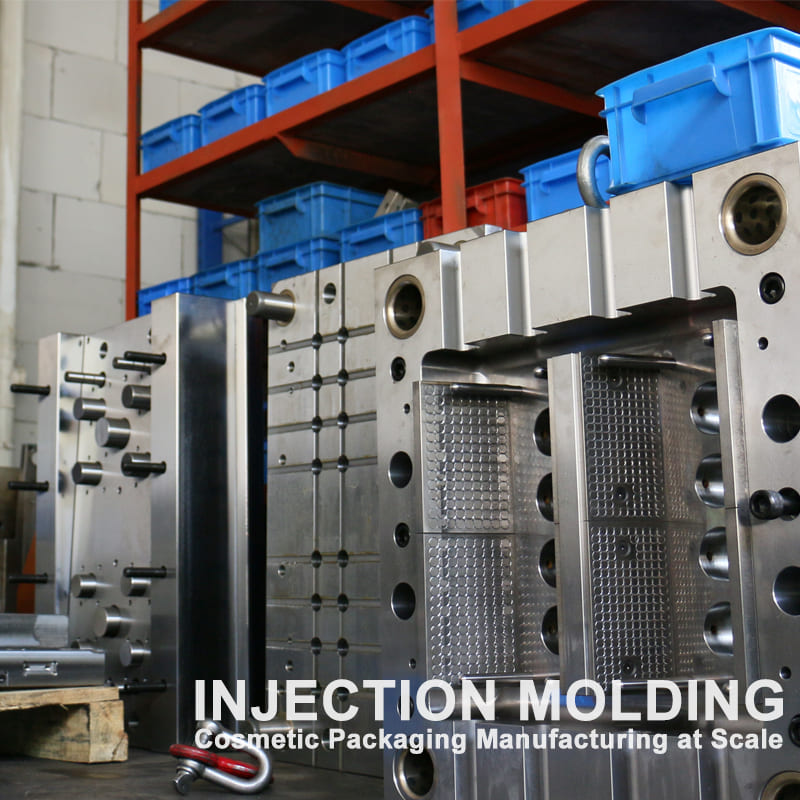
In cosmetic packaging manufacturing, injection molding is one of the most widely used production technologies for achieving precision, scalability, and design consistency.
Why Cosmetic Packaging Caps Fail: Fix Loose, Spinning & Leaking Closures
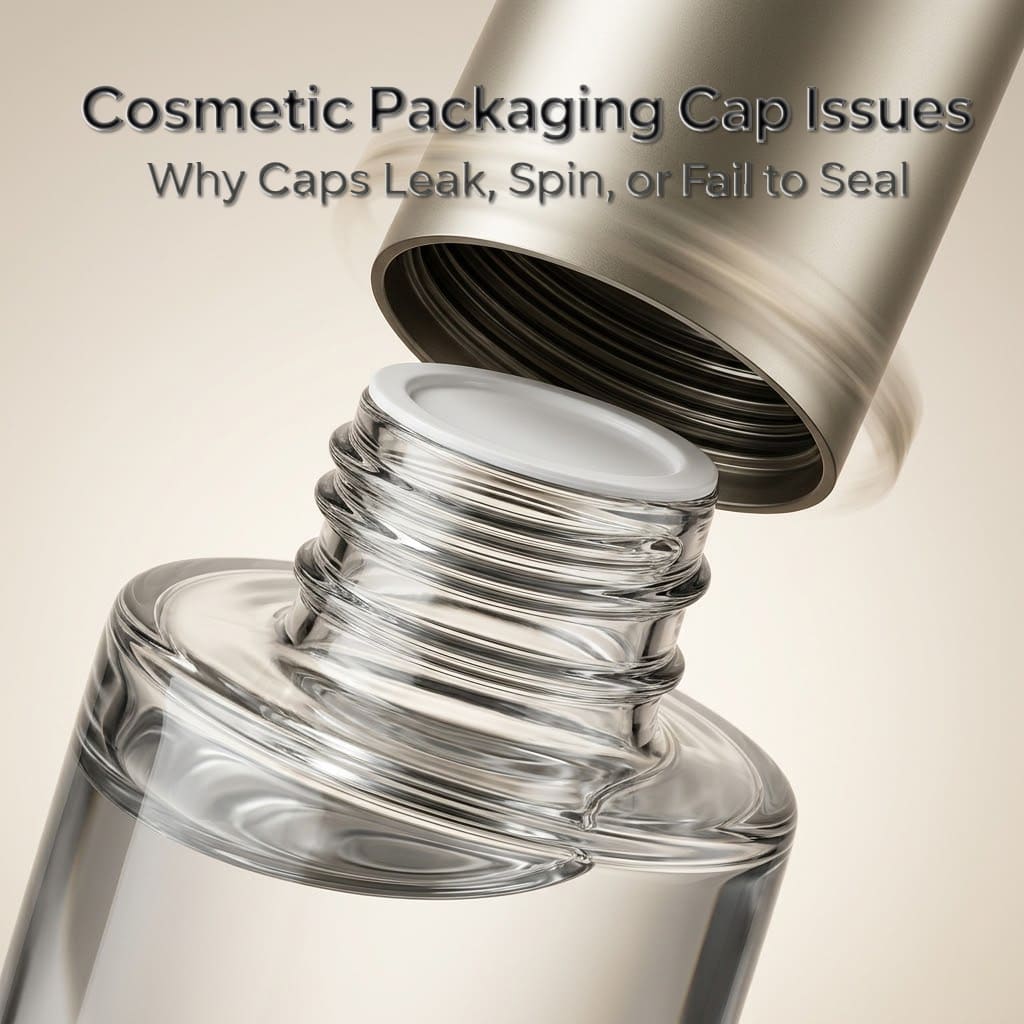
Cosmetic packaging cap issues such as leaking, loose fit, or spinning closures are common in the beauty industry. If your cosmetic packaging cap fails to seal properly, the root cause is often not assembly, but structural problems in design, materials, or thread compatibility.
The 2026 Plastics Squeeze: How Cosmetic Brands Are Hedging Against Soaring Packaging Costs
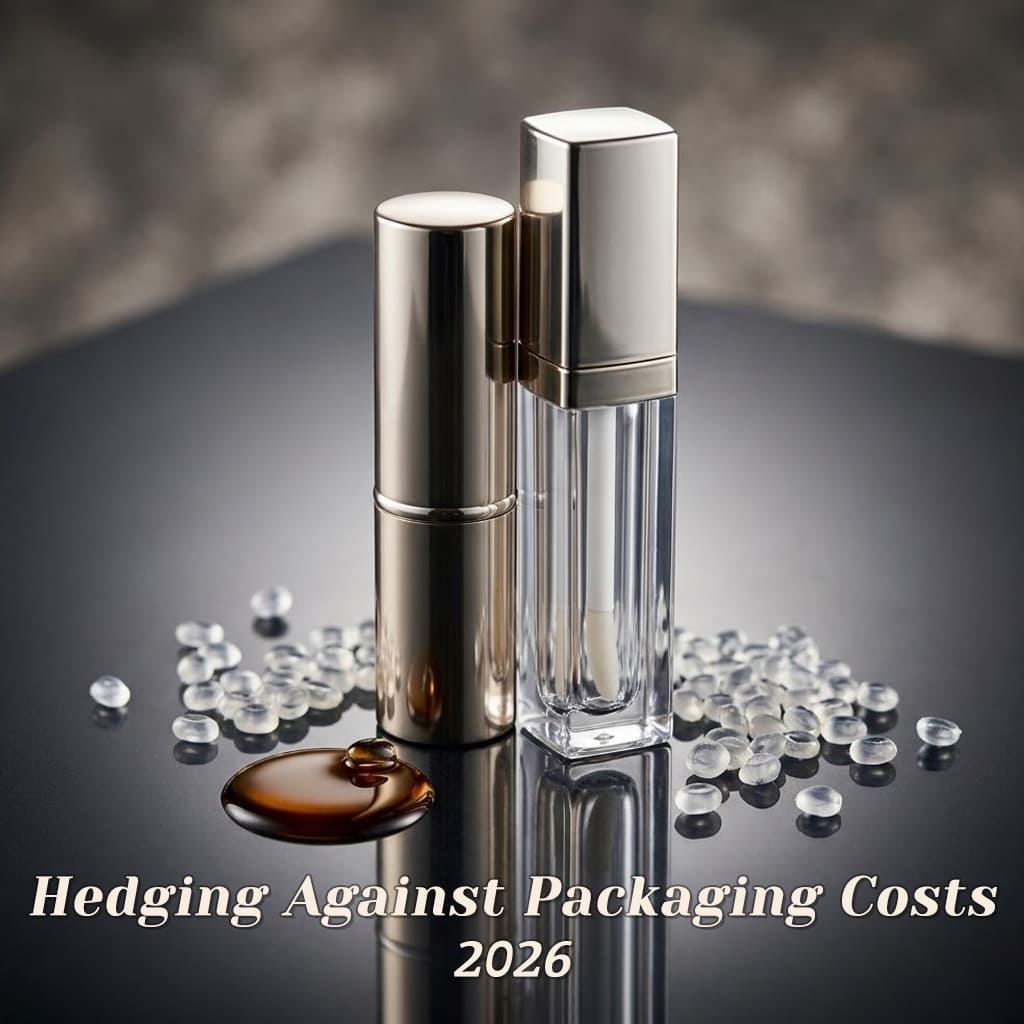
The global beauty industry has always felt the ripple e […]